
100+
exhibitors
5
different nationalities
15
blue dyers
… always on the first Sunday in May!
16.March 2026
Blue Dyeing Market 2026: Keeping it clean & green! 🌿
The Blue Dyeing Market in Gutau is a place of mutual appreciation. Here, we meet artisans who passionately transform natural materials into timeless works of art. Authentic craftsmanship is inherently sustainable: it is durable, honest, and deeply respectful of our resources. In 2026, we are taking this commitment even further. We are proud to announce that the Blue Dyeing Market will officially be certified as a Green Event for the first time!
What does this mean for you as our guest? Following the redesign of our barrier-free market square, we want to bring this special place to life in a sustainable way. Together with our exhibitors and food vendors, we are focusing on:
- Regional Delicacies: Short distances from farm to fork and a strong focus on organic quality.
- Waste Prevention: We rely on reusable systems and avoid unnecessary packaging waste wherever possible.
- Eco-friendly Travel: Take advantage of our free shuttle service from Pregarten train station directly to the market grounds – perfectly timed with the S-Bahn schedule.
- Enjoying Diversity: Look forward to a selection that also offers attractive vegetarian options and fair-trade products.
A Green Event enhances our market and ensures that our beautiful new town center remains clean and welcoming even after the festivities. Help us preserve the Blue Dyeing Market for the future – for ourselves, our environment, and generations to come!!
15.November 2025
Be part of the blue dyeing market 2026!
The official application phase for exhibitors for the blue dyeing market on May 3, 2026, is now open. We are looking for creative and craft businesses, manufacturers, and artists who want to showcase their high-quality products.
Stalls are limited and will be allocated by a jury after the application phase. On our application page, you will find all the important information about the further process, dates, and the various stand options.
We look forward to receiving your application and to working with you to create a diverse and well-curated market.
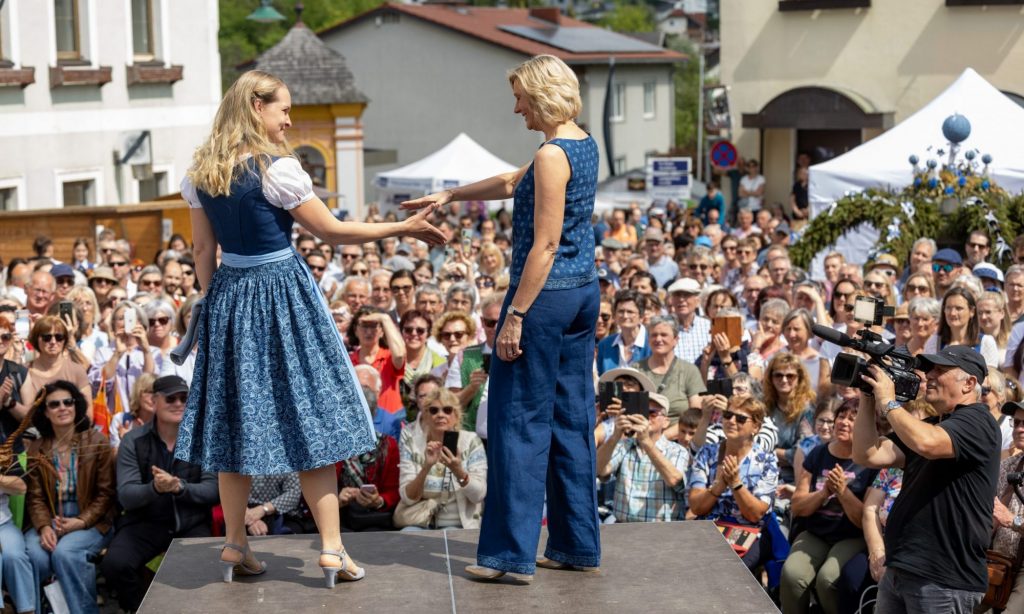


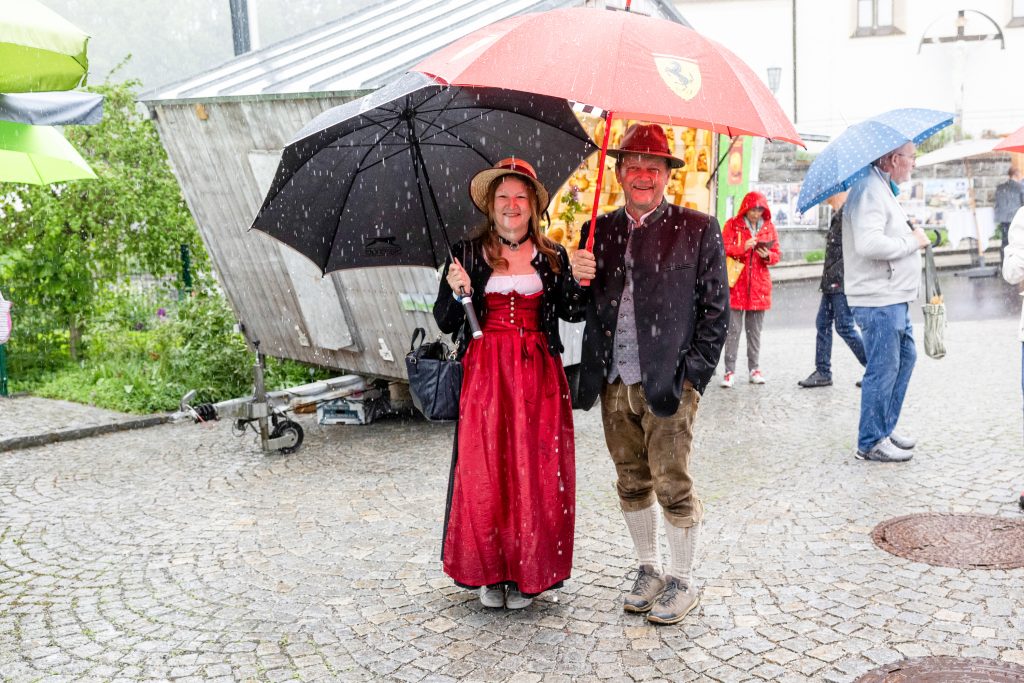


A festival in blue – this was the blue dyeing market 2025
A celebration in blue – this was the blue dyeing market 2025
What a wonderful day!
We are delighted with the great interest and would like to thank everyone who made the blue dyeing marke 2025 such a special experience.
Around 100 exhibitors from five nations presented artistic craftsmanship and high-quality blue dyeing – from classic dirndls to modern design pieces. Our visitors were not only able to marvel and shop, but also immerse themselves in the world of blue dyeing in the Zeugfärberei and the Dyer Museum.
A highlight was the visit of the South Korean ambassador Ham Sang Wook on the occasion of the special exhibition “Indigo of Korea and Austria” – a sign of the international significance of our cultural heritage.
Music, culinary delights and the fashion show rounded off the day – a feast for all the senses despite the rain!
Photos: Erwin Pils and Korea Cultural Center
Experience the blue dyeing market – in the MühlviertelTV report
The blue dyeing market 2025 in moving pictures:
MühlviertelTV has captured the colorful hustle and bustle of the market – from the lovingly designed stalls to exciting insights into blue printing and special moments such as the visit of the South Korean ambassador.
Dive into the special atmosphere of our market and experience what makes Gutau so unique, even apart from the blue printing.
What is blue dyeing?
Many guests come to the blue dyeing market in Gutau year after year to buy original blue dyeing here. Many people know that there are differences in the production of the blue dyeing fabrics on offer, which can explain price differences.
In order to get the white patterns onto the blue dyeing fabrics fabrics, an elaborate reserve print is necessary. Printing blocks (models or rollers) are used to print a reserve onto the white textiles. The printed areas do not take on any color during subsequent dyeing in the vat and remain white. Synthetic indigo became established in the textile industry at the end of the 19th century – it is traditionally used to dye the yarn for blue jeans. All dyeing processes with indigo (synthetic and vegetable) are very complex. To apply the dye to the textile fibres, several passes are necessary, the fabric has to be dipped into the indigo dye bath several times in succession and always oxidized (faded) in the air in between. Only natural fibers can be dyed with indigo – for example cotton, linen, silk and wool.

However, there are also other dyes that can be used to dye blue. The newer processes are usually more cost-effective as they require fewer steps. It is said that the blue dyeings achieved are less vivid than with indigo dyeing, but the colors are often brighter.
Then there are price differences in the fabric itself – cotton or linen or something completely different? Perhaps organic/fairtrade?
And finally, of course, it depends on how the blue dyeing shop works. Whether it was done traditionally by hand or with a machine, or with other processes such as screen printing. Or you can make it really simple and print with white ink on blue fabric – this can also look nice, but then you can’t really call it “blue dyeing”.
If you want to know for sure: it doesn’t cost anything to ask!
The exhibitors will be happy to tell you how they dyed the textiles and are delighted at your interest in the old textile techniques.
The organization team wishes you pleasant discoveries!